regenerative · 9 min read
What "regenerative" actually means (and what it doesn't)
The word is on every label now. Here's how to tell the real practice from the marketing — and why it's worth your dollar when it's real.

If you've shopped for groceries in the last year, you've seen the word regenerative plastered on packaging that, until very recently, just said organic. The shift is happening because the regenerative movement has won a marketing war. Now it has to win the practice war.
The short definition
Regenerative agriculture isn't a single certification. It's an approach defined by outcomes: building soil organic matter, increasing biodiversity, improving the water cycle, and supporting the human communities tending the land.
The five most-cited principles, drawn from soil scientists like Gabe Brown and Allen Williams:
- Minimize soil disturbance. No-till or reduced-till.
- Keep the soil covered. Cover crops, residue, never bare ground.
- Maintain living roots in the soil year-round.
- Maximize plant diversity. Polycultures, not monocultures.
- Integrate animals. Rotate ruminants in ways that mimic wild herds.
How to read a label
When a brand says "regenerative," ask three questions:
1. What changes on the land year over year? Soil organic matter, water infiltration rate, species count. If they can't tell you, they're not measuring. 2. Are they certified to a real standard? Regenerative Organic Certified, Land to Market's Ecological Outcome Verification, and Savory Institute partners are the rigorous ones. 3. Are they direct, or branded? A brand can buy from anyone. A farm puts its name on what it does.
Why this matters for your body
Healthier soil grows nutritionally denser food. The David Montgomery and Anne Biklé book What Your Food Ate documents this in detail: regeneratively-grown vegetables consistently test higher for phytochemicals, minerals, and omega-3s than the same crops grown in degraded soil.
You're not just eating the carrot. You're eating the soil the carrot grew in.
Where to start
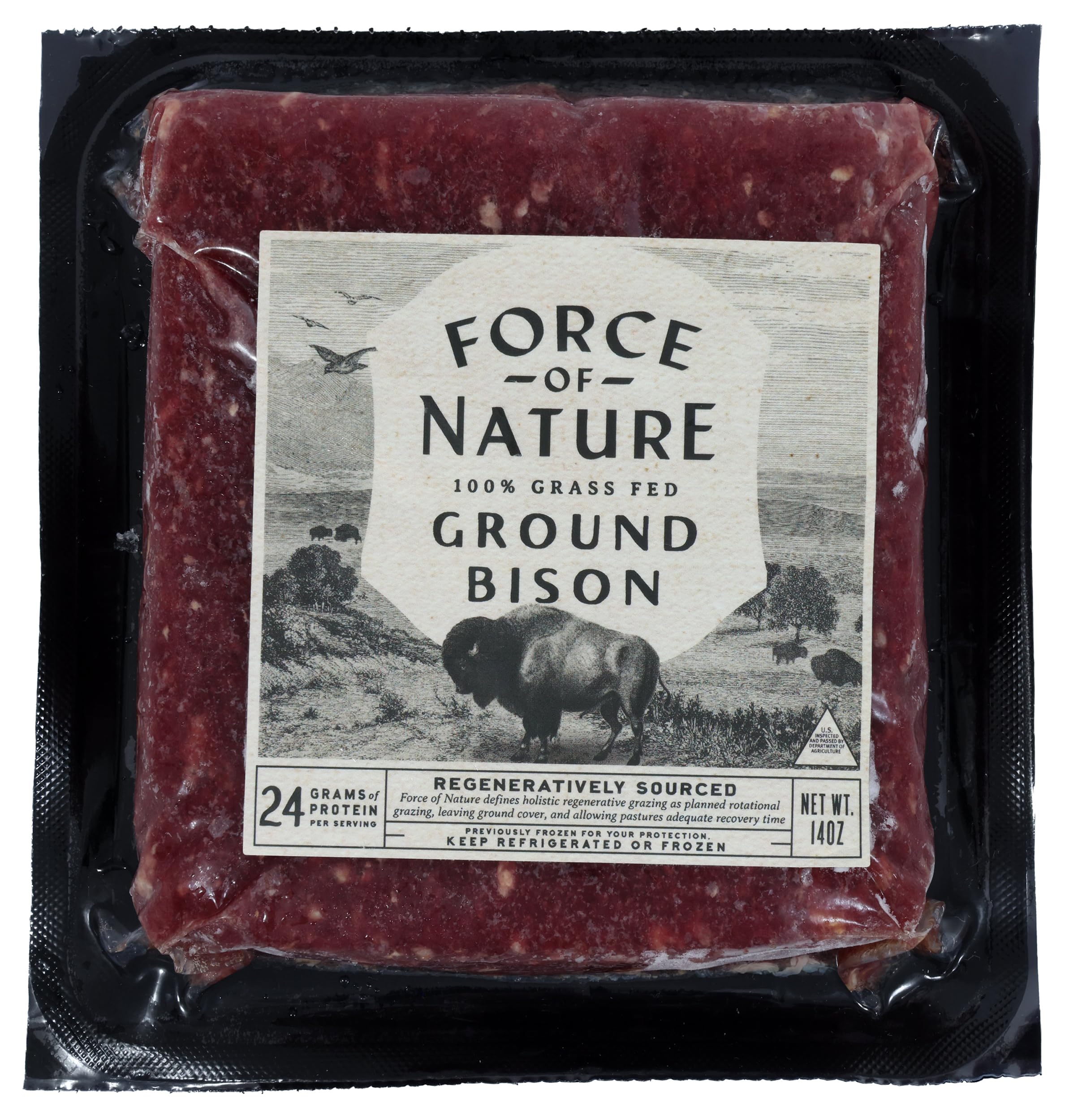
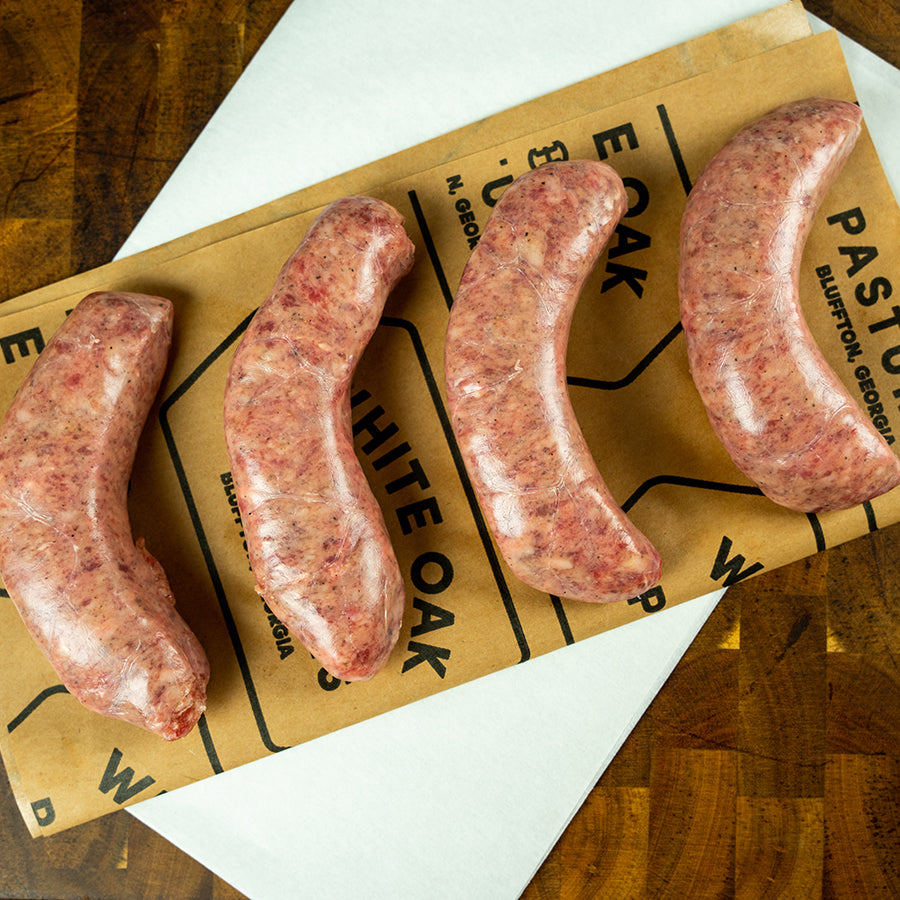
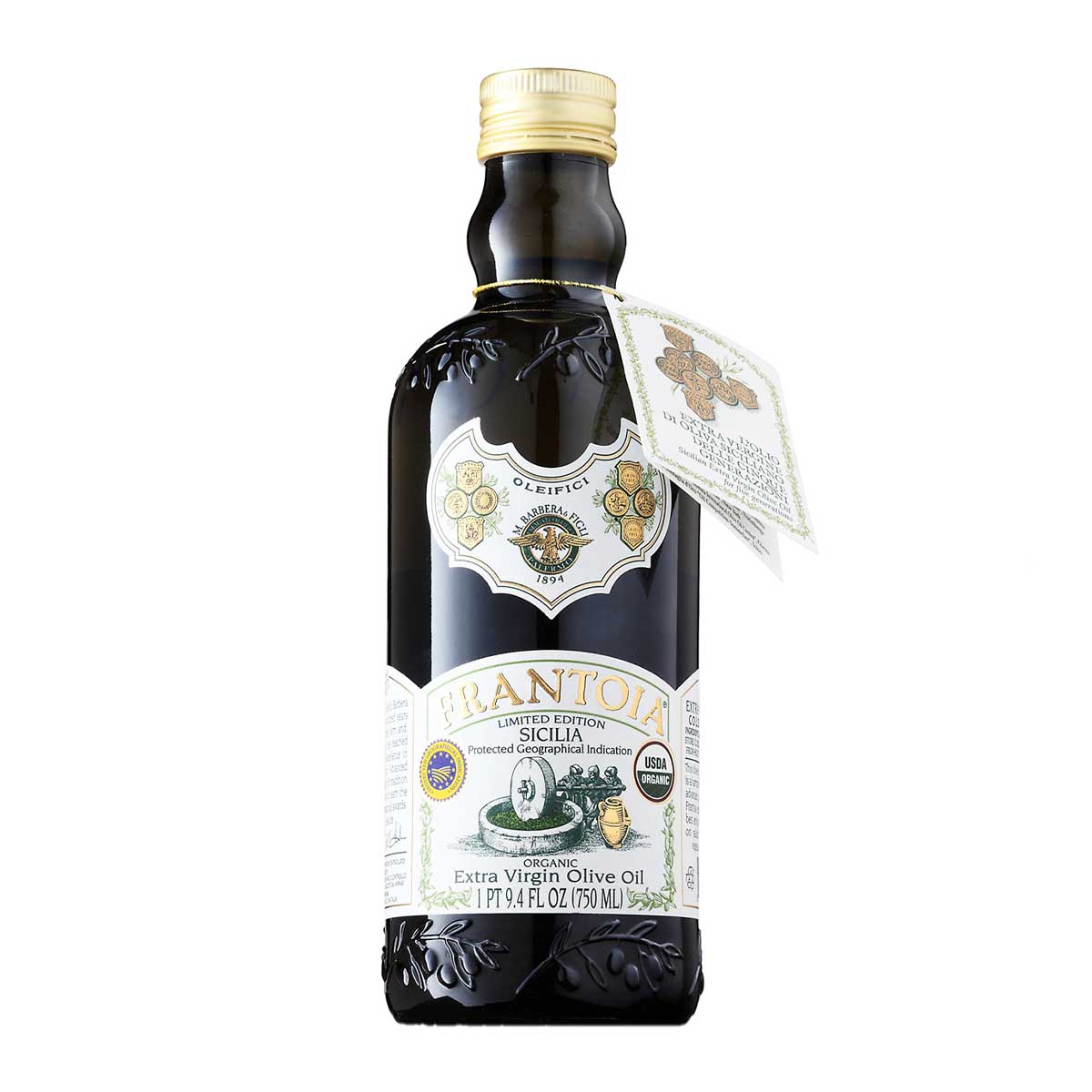
Start with one category. Switch your ground meat. Switch your eggs. Switch your olive oil. Pay attention to how it tastes. Watch your relationship with food shift from fueling to feeding.
The premium isn't a tax. It's the actual cost of growing food in a way that doesn't burn the future.